
Can Fatty 15 Improve Mental Health?
What Is Fatty15?
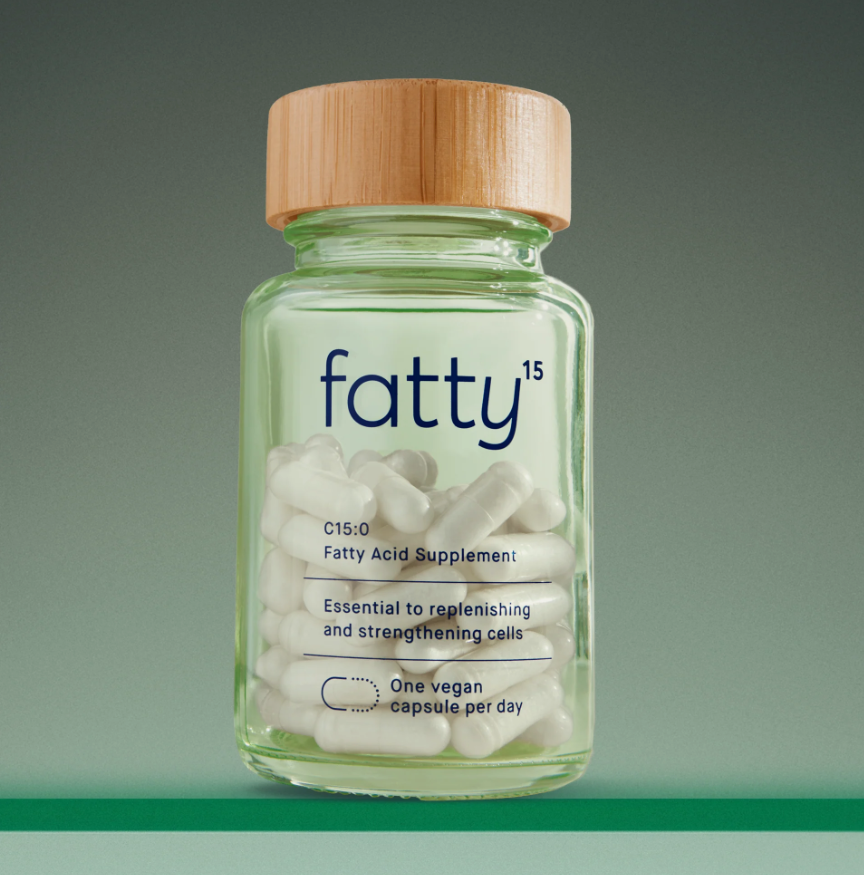
Fatty15 is a dietary supplement that contains high-purity C15:0 (pentadecanoic acid), an uncommon odd-chain saturated fatty acid found naturally in small amounts in whole-fat dairy. It’s the first essential fatty acid discovered since omega‑3s and is available only in this supplement form, innerbody
Drs. Stephanie and Eric Venn‑Watson developed Fatty15 after research showed C15:0 plays essential roles at the cellular level.
Mental‑Health Benefits
Mood Stability & Stress Reduction – C15:0 naturally activates PPAR-α and PPAR-δ receptors.
1. PPAR‑α (Peroxisome Proliferator-Activated Receptor Alpha) – PPAR‑α is a nuclear receptor. A type of transcription factor that regulates genes involved in lipid metabolism, inflammation, and energy homeostasis.
Why PPAR‑α Matters for Mental Health:
- Reduces neuroinflammation: Chronic brain inflammation is linked to anxiety, depression, and neurodegenerative diseases. PPAR‑α activation downregulates inflammatory cytokines, which are proteins that regulate your body’s inflammatory response.
- Improves mitochondrial function: Mitochondria are vital for brain energy production. PPAR‑α enhances mitochondrial biogenesis and fatty acid oxidation.
- Supports blood-brain barrier health: PPAR‑α may reduce oxidative stress at the blood-brain barrier, improving nutrient transport and toxin defense.
How Fatty15 Helps:
C15:0 binds to and activates PPAR‑α, similar to fibrate drugs used to treat metabolic syndrome, but without the same side effects. This activation may help lower inflammation and improve cellular energy, benefiting mood and cognition. Researchers are also exploring its potential for diseases such as Alzheimer’s, depression, and multiple sclerosis. Oxford Journal
2. PPAR‑δ (Peroxisome Proliferator-Activated Receptor Delta) – PPAR‑δ is another nuclear receptor with broad influence over metabolism, inflammation, and cell survival, especially in muscle, brain, and immune cells.
Why PPAR‑δ Matters for Mental Health:
- Supports neuroprotection: PPAR-δ activation promotes the survival of neurons and glial cells under oxidative stress conditions. Glial cells play a crucial role in brain function and can be negatively affected by oxidative stress, which contributes to various neurological disorders. Glial inflammation contributes to mood disorders and neurodegeneration; PPAR-δ helps mitigate this.
- Improves mood regulation: Emerging research suggests PPAR‑δ modulates brain-derived neurotrophic factor (BDNF). BDNF is a protein in the brain and spinal cord that plays a crucial role in neuronal health, learning, and memory. It supports the survival, growth, and differentiation of neurons. It is involved in synaptic plasticity, the brain’s ability to strengthen or weaken connections between neurons, which is key to resilience, mood, and neuroplasticity.
How Fatty15 Helps:
C15:0 also activates PPAR‑δ, which may help with resilience to stress, long-term brain health, and regulation of inflammatory pathways associated with depression and anxiety.
Research has linked PPAR‑δ to enhanced cognition and reduced depressive-like behavior in animal models.
C15:0 has also been shown to bind to CB1/CB2 and specific serotonin/histamine receptors, which are associated with reduced stress and a balanced mood, as published by Dr. Venn-Watson. In the same article, Venn-Watson’s data also suggest that around two-thirds of users notice a calmer mood, less stress, improved sleep, and steadier energy within six weeks of taking Fatty 15.
Cognitive & Neuroprotective Effects
C15:0 inhibits MAO-B, an enzyme that supports dopamine levels, calms moods, promotes better sleep, and shows potential for neuroprotective effects.
3. MAO‑B (Monoamine Oxidase B) – MAO‑B is an enzyme found in neurons and glial cells that breaks down neurotransmitters, especially:
- Dopamine – a neurotransmitter or chemical messenger in the brain, plays a key role in the brain’s reward system, motivation, and movement. It is associated with feelings of pleasure and satisfaction, and it also influences mood, learning, and attention.
- Phenylethylamine (PEA) – PEA acts as a neuromodulator, influencing the release of neurotransmitters like dopamine and serotonin. This can have effects on mood, cognitive function, and energy levels.
Why MAO‑B Matters for Mental Health:
- High MAO‑B activity is associated with low dopamine levels, which can lead to depression, apathy, fatigue, and neurodegenerative disorders like Parkinson’s disease.
- MAO‑B levels increase with age, potentially explaining age-related mood and cognitive changes.
- MAO‑B inhibitors (like selegiline) are utilized in treating Parkinson’s and depression.
How Fatty15 Helps:
C15:0 has been shown to inhibit MAO‑B, which may:
- Preserve dopamine levels naturally
- Support calmer moods, greater motivation, and improved sleep
- Offer neuroprotection by reducing oxidative stress from dopamine breakdown
Inhibiting MAO‑B without overactivation is considered a gentle way to support mood and neuroprotection.
|
Pathway |
What It Does |
C15:0 Action |
Mental Health Impact |
|
PPAR‑α |
Reduces inflammation, improves mitochondrial energy. |
Activates |
Reduced Brain inflammation, Improved resilience |
|
PPAR‑δ |
Supports BDNF, neuroprotection, and anti-inflammatory effects |
Activates |
Increases Mood stability, lowers stress |
|
MAO‑B |
Breaks down dopamine & PEA |
Inhibits |
Increased Dopamine and motivation, Improved mood, and less oxidative stress |
- Anti-Inflammatory & Cellular Resilience
- C15:0 reinforces cell membranes, protects mitochondria, lowers inflammatory cytokines, and activates AMPK (AMP-activated protein kinase). AMPK plays a crucial role in various cellular processes, including glucose uptake, fatty acid oxidation, and mitochondrial biogenesis. This makes C15:0 a therapeutic target for metabolic disorders, such as diabetes and cancer. For more information, visit fatty15.com.
- When compared to EPA (Eicosapentaenoic Acid), an omega-3 fatty acid, C15:0 showed more benefits for cellular health.
Anecdotal Reports
- Some Reddit users report significant improvements in sleep and calmer moods after a few weeks. One shared:
“I definitely notice an improvement in sleep quality… The streak of good sleep is shocking.”
Drawbacks & Limitations
- Limited Human Clinical Trials
Most evidence for C15:0 comes from cell-based and animal studies; well-controlled, peer-reviewed human trials assessing its effects on mental health are still lacking. - Cost
The cost of Fatty15 supplements is higher compared to standard omega-3 supplements. - Potential Unknown Side Effects
Safety data is limited, but moderate use appears to have long-term effects on humans, the nature of which is unclear, especially in individuals with certain health conditions. - Supplement Doesn’t Replace Other Healthy Behaviors
Does not replace other healthy behaviors. Manufacturers emphasize that it’s best used in conjunction with a balanced diet, regular exercise, good sleep hygiene, and effective stress management, rather than as a sole solution for mental health. To learn how diet and exercise affect your mental health, please visit our blog. - Not a Cure-All
Results vary among users. Some experience significant benefits, while others see little to no improvement. It’s unclear how this will replace or assist well-established treatments for mood disorders.
Comparison with Omega‑3 (EPA/DHA)
- Evidence base: Omega-3s (especially EPA) are supported by multiple human clinical trials that demonstrate a modest benefit in the treatment of depression and mood disorders. However, high-quality studies debate their efficacy.
- Safety: High-dose omega-3 may increase bleeding risk; C15:0 showed no toxicity in cell models
- Broader benefit? C15:0 exhibits a broader range of cellular effects in preclinical studies compared to omega-3.
Practical Considerations
- Dosage: Follow the manufacturer’s instructions
- Medical conditions/medications: Consult your doctor, especially if you are taking psychotropic drugs or anticoagulants.
- Timeline: Anecdotal benefits can take 2–6 weeks; some benefits, such as improved sleep and mood, may appear sooner.
- Monitoring: Keep a symptom log and consider periodic labs for inflammation markers or lipids.
- Stacking: Can be used in conjunction with omega-3s, but monitor total fatty acid intake and associated costs.
|
Aspect |
Fatty15 (C15:0) |
Omega‑3 (EPA/DHA) |
|
Evidence type |
Cell, animal, and early human anecdotes |
Numerous RCTs, meta-analyses |
|
Mental-health effects |
Mood, sleep, dopamine support, and anti-inflammatory |
Depression adjunct, cognitive support |
|
Safety |
Promising preclinical safety; human data limited |
Well-studied; high doses may affect bleeding |
|
Cost |
Relatively expensive (~$1+/day) |
Varies; many affordable options |
|
Mechanisms |
PPAR, MAO‑B inhibition, membrane/mitochondria |
Anti-inflammatory, eicosanoids modulation |
Fatty15 is showing promise in the mental health supplement landscape, with encouraging early reports, though robust human clinical data is still limited. Those seeking better sleep, mood stability, and overall brain resilience might consider it, but it shouldn’t replace established therapies, and the cost and unknown long-term safety warrant caution.
Bottom line: Fatty15 may offer real benefits—especially for mental well-being—but proceed mindfully, ideally under the guidance of healthcare professionals, and consider it a complementary component of a holistic mental health approach.
References:
Natali, F., Siculella, L., Salvati, S., & Gnoni, G. V. (2007). Oleic acid is a potent inhibitor of fatty acid and cholesterol synthesis in C6 glioma cells. Journal of Lipid Research. https://doi.org/10.1194/jlr.m700051-jlr200
Why Celebrating Achievements is Important for Mental Health – System Ent Corp. https://systementcorp.com/why-celebrating-achievements-is-important-for-mental-health/
Shi, Y., Chang, M., Wang, F., Ouyang, X., Jia, Y., & Du, H. (2010). Role and mechanism of hypoxia-inducible factor-1 in cell growth and apoptosis of breast cancer cell line MDA-MB-231. Oncology Letters. https://doi.org/10.3892/ol_00000115






Leave A Comment